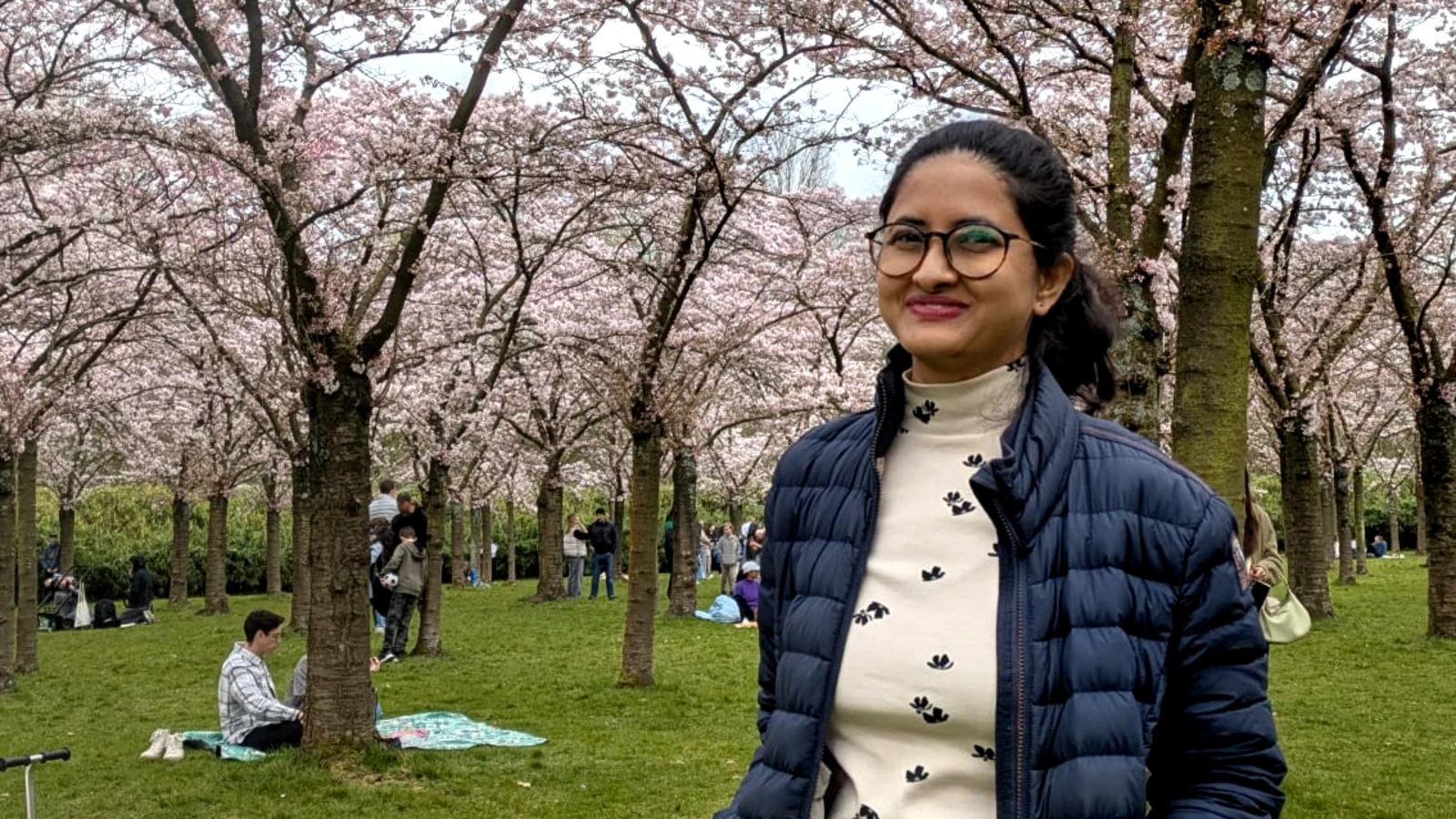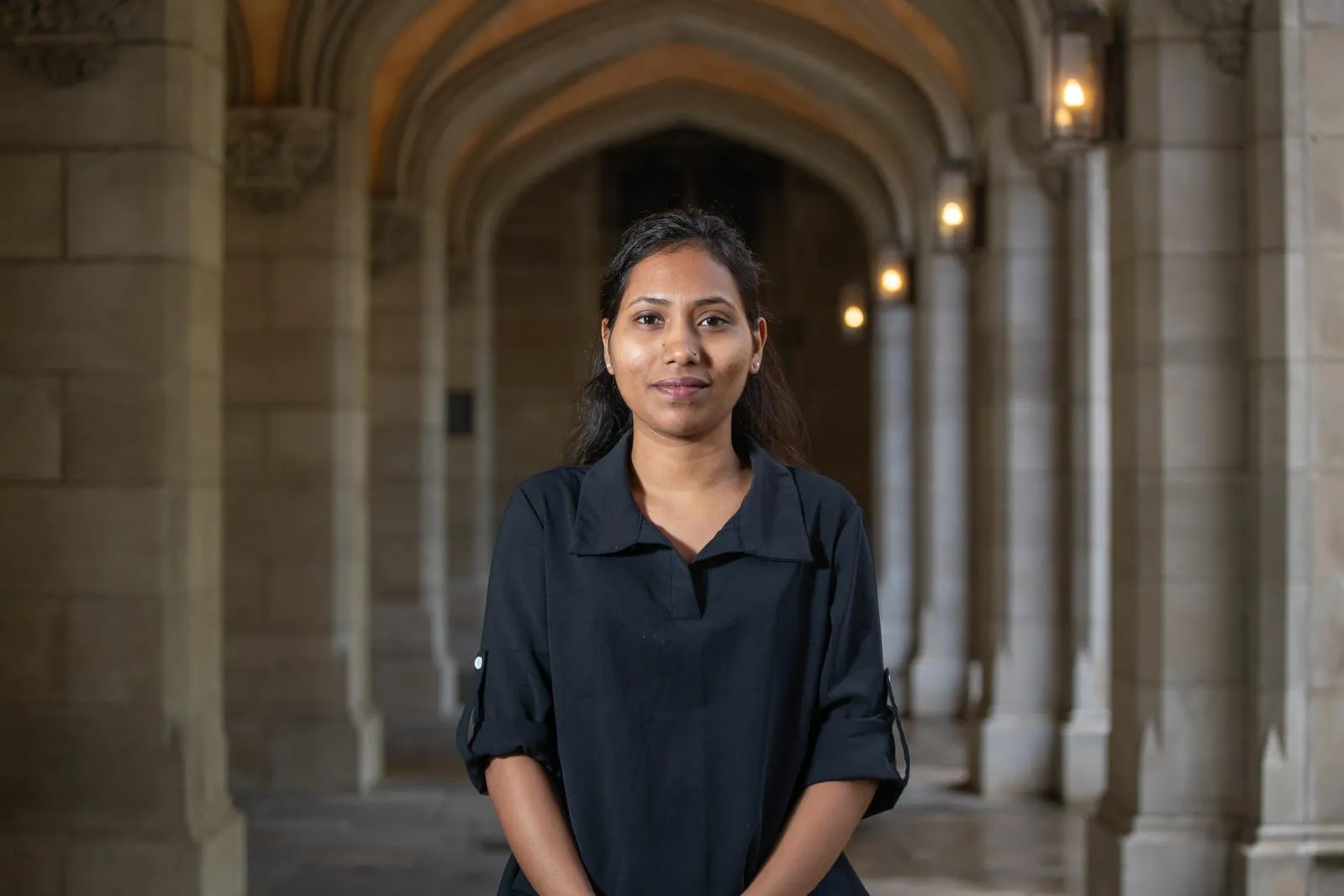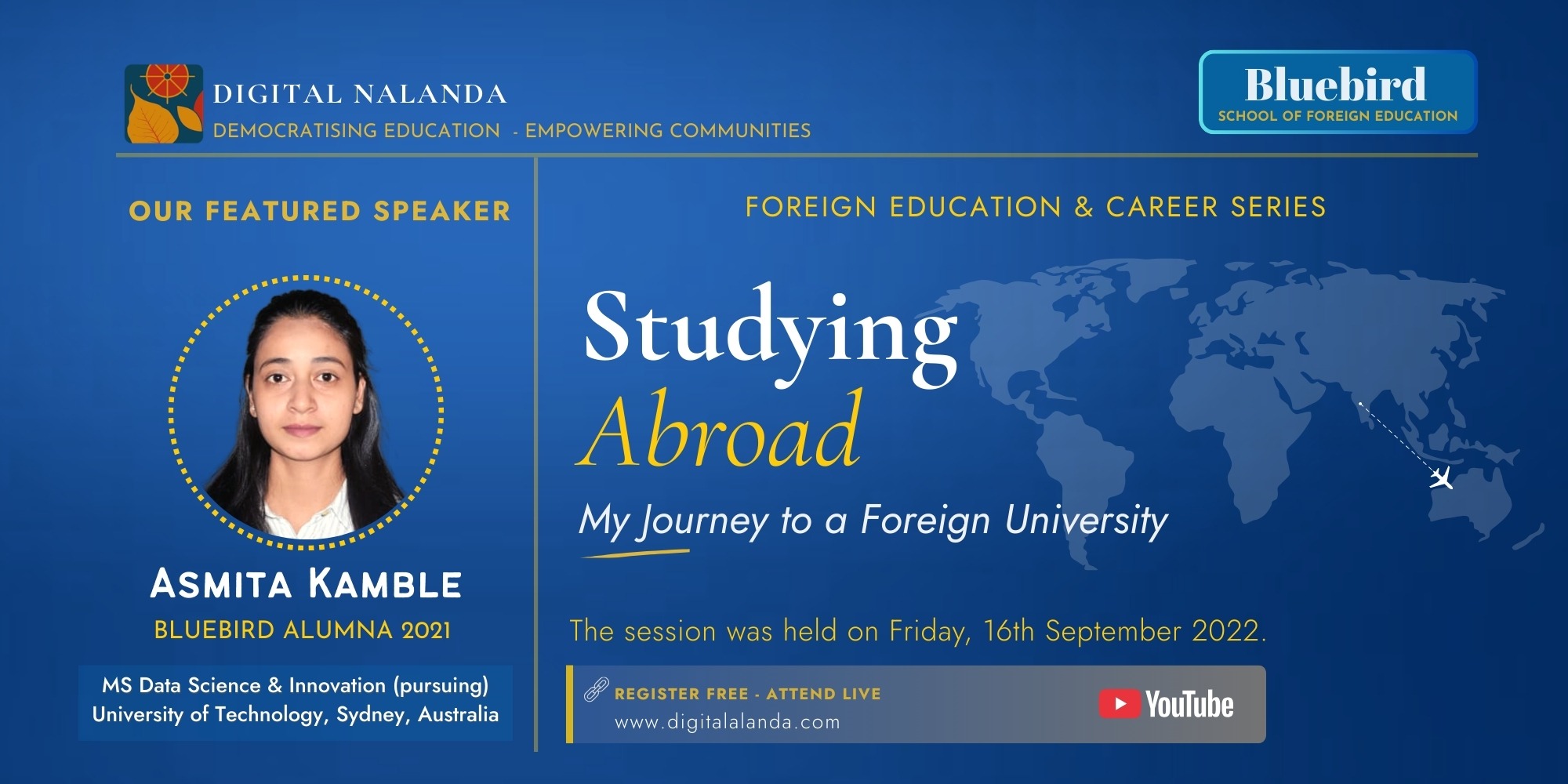
Asmita Kamble — an Electronics and Telecommunication graduate from Nagpur — spotted a friend’s WhatsApp status, found Digital Nalanda, and is now pursuing her Master’s in Data Science at the University of Technology, Sydney on a full scholarship.
Her journey to Australia started the way many life-changing things do — completely by accident.
A WhatsApp Status and a Missed Deadline
Scrolling through WhatsApp one evening, Asmita noticed a friend’s status — his brother congratulating him for running free online data science classes. She Googled the name, landed on Digital Nalanda’s Bluebird School for Foreign Education, and immediately wanted in.
There was just one problem: the registration deadline had passed two days earlier. She emailed anyway. The coordinator enrolled her on the spot.
On 2nd September, Asmita landed in Sydney to begin her Master’s in Data Science and Innovation at UTS on the National Overseas Scholarship (NOS).
“I am really very lucky. Nikhil Sir guided me from beginning to end. And I am here now.”
Choosing Your University — The Spreadsheet Method
Start with the QS World University Rankings. NOS and Maharashtra scholarship applicants must target universities within the top 100 or top 500, so filter your list accordingly. Visit each university’s website, check whether your course is offered, note the eligibility criteria, and record their language test requirements — IELTS, TOEFL, or PTE.
Then build a spreadsheet: university name, application deadline, required documents, and intake season. Most students target the September/October (Fall) intake; August is the Australian equivalent.
Asmita applied to three universities in the UK and five in Australia, received unconditional offers from three, and chose UTS. One critical detail for scholarship applicants: NOS and Maharashtra scholarships require an unconditional offer letter. Make sure all conditions are cleared before the scholarship deadline.
IELTS — Tips That Actually Work
Most universities require a minimum of Band 6.5. Asmita skipped coaching and prepared herself using a few targeted strategies.
- Listening: Watch Friends. By the third episode, you start picking up the accent naturally.
- Writing: Download vocabulary and connector word lists from a simple Google search, and weave them naturally into your practice essays.
- Reading: Don’t just match words from the passage — understand what the question is actually asking first.
- Overlooked tip: After registering for IELTS, check your confirmation email carefully — there is a link at the bottom offering one free month of preparation material from official examiners. Most students miss it because it’s buried at the end of a long email.
Also worth knowing: if your undergraduate degree was entirely in English, your college can issue a Medium of Instruction certificate. Some universities accept this in place of IELTS — but attempt the test at least once before relying on it.
The SOP — Your Story, Told Honestly
Asmita faced an unusual challenge: applying for data science with a background in electronics, and a seven-year gap since graduation. She didn’t hide either. Her SOP explained how she encountered data-driven thinking during engineering without knowing what to call it, and how she later took a course specifically to bridge the gap.
“SOP is your transparency. Write from your schooldays — your projects, internships, weak points, and how you overcame them. The university reads your SOP and imagines your personality. Make that image honest and real.”
Her mentor reviewed every draft line by line. Multiple revisions. Don’t expect to get it right in one attempt.
Documents — Start Earlier Than You Think
If you have backlogs from your diploma or degree, get the backlog certificate issued now — before any university asks for it. Official transcripts (not just graduation certificates) typically cost ₹6,000–6,500 and take time to process. Start early.
For the scholarship, you’ll also need a solvency certificate proving your family can cover a minimum amount in case of emergency. Asmita took a personal loan of around ₹3 lakhs to cover visa fees, initial deposits, health cover, and flights — most of which the scholarship reimbursed later. Having funds upfront is essential.
“Do not lose your patience. This is a long process. Start step by step, make a plan, collect your documents, and keep going. If I can do it — you can do it too.”
Asmita’s path began with a WhatsApp status she almost scrolled past. It led to a missed deadline she emailed anyway, a mentor who believed in her, and a scholarship that took her to Sydney. The details of her story are worth studying — not just the inspiration of it, but the method: the spreadsheet, the SOP drafts, the documents gathered early, the test taken seriously. That is what got her there.