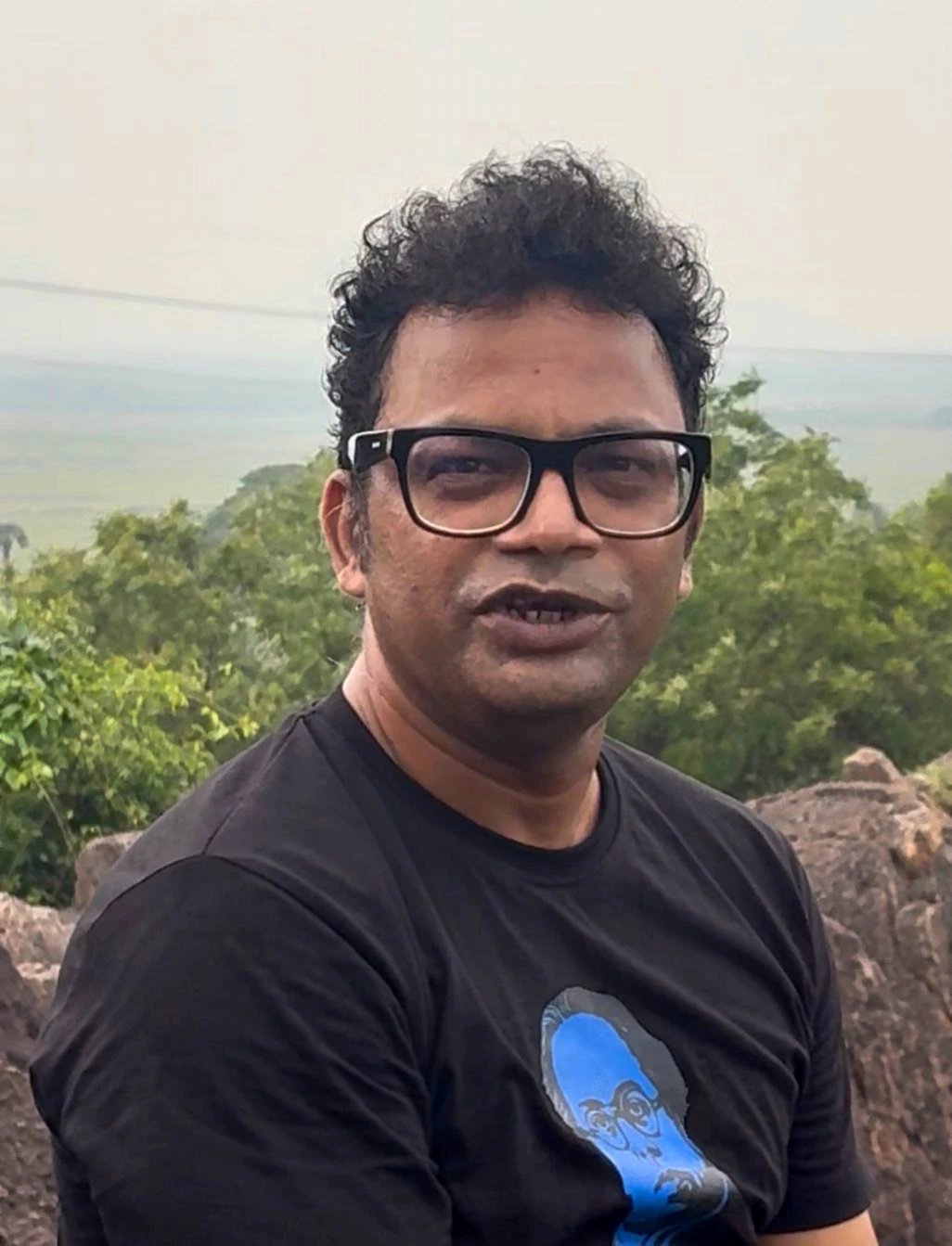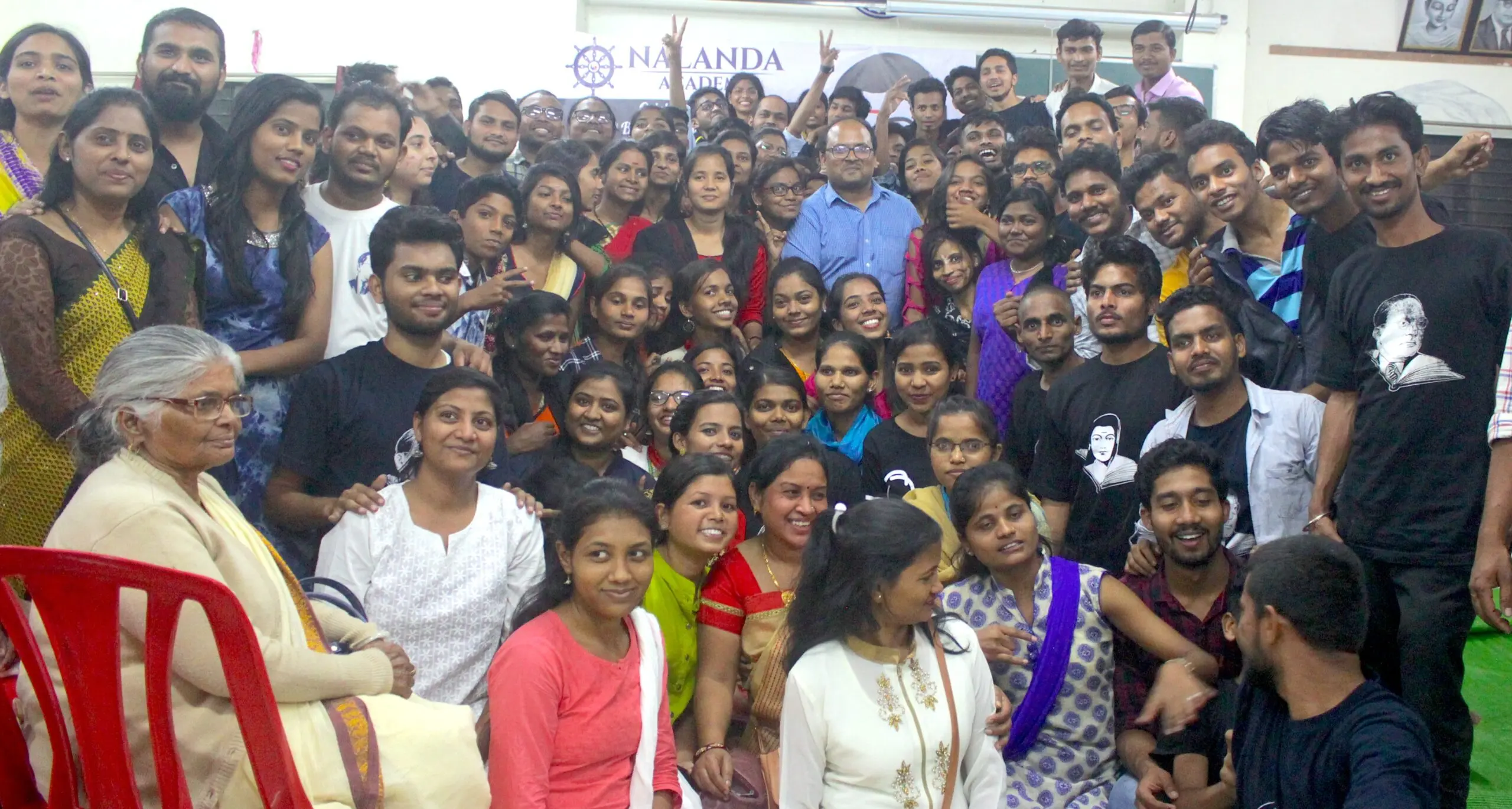
What follows was first written by Mangesh Dahiwale on Facebook — an unscripted reflection on a friend whose work deserves far more than words. We preserve it here as a small record of admiration.
A Beginning Rooted in Belief
There are some people who do not merely build institutions. They build futures. They take what society has abandoned and return it to history with dignity. They look at children and youth whom the world has already judged, already discounted, already pushed to the margins, and they say: you too deserve books, classrooms, confidence, and the sky.
My friend Anoop Kumar is one such person.
To speak of his work only in the language of administration, infrastructure, or educational planning would be too small. His work belongs to another moral vocabulary. It is a story of faith in the forgotten. It is a story of discipline joined with compassion. It is a story of how a small Buddha Vihar named Samyak Buddha Vihar in Wardha became the seed of a transformative educational movement for marginalised youth from across India.
At first, it was small. So small that many would have dismissed it. A modest Buddha Vihar. Limited space. Limited means. No great wealth behind it. No powerful machinery. No inherited privilege. No easy road. Only conviction. Only labour. Only the unshaken belief that education can become the turning point in the life of the oppressed.
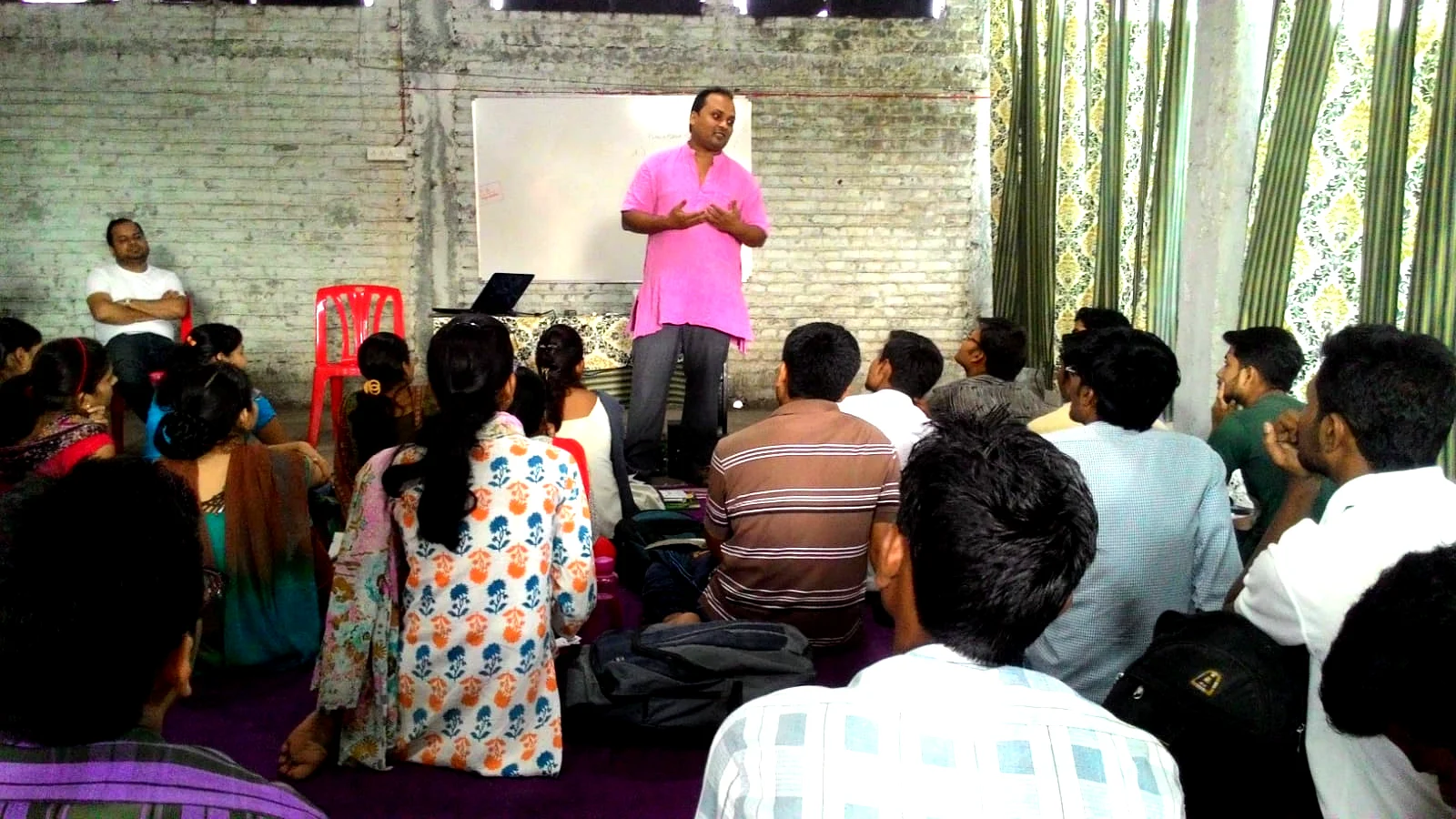
That is often how great movements begin. Not with grandeur, but with a room. Not with abundance, but with sacrifice. Not with applause, but with silent perseverance.
✦
Education as Dignity and Justice
The Samyak Buddha Vihar, and the academy named Nalanda, was not just a physical place. It was an ethical declaration. It said that the children of workers, the youth of neglected settlements, the students from villages, bastis, deprived castes, poor families, and socially humiliated communities should not have to beg history for a chance. It said they were entitled to knowledge. Entitled to intellectual life. Entitled to preparation, mentoring, discipline, and vision. Entitled to stand in the great streams of higher education and not remain forever outside the gate.
For the marginalised, education is never just education. It is self-respect. It is protection. It is mobility. It is psychological rebirth. It is the difference between surviving and shaping the world.
He did not begin with comfort. He began with responsibility.
✦
The Work Behind the Vision
I have seen how such journeys unfold. They are made of endless, often invisible acts. One student needing fees. Another needing books. Someone needing a place to stay. Someone else needing encouragement after failure. Parents needing assurance. Donors needing persuasion. Workers needing coordination. Land needing development. Plans needing revision. Resources always falling short. Dreams always running ahead of finances.
And yet the work continues, because one person refuses to surrender to the logic of impossibility. That is what makes Anoop’s contribution so extraordinary. He did not merely imagine an educational project. He carried people. He held together aspiration where society had produced despair.
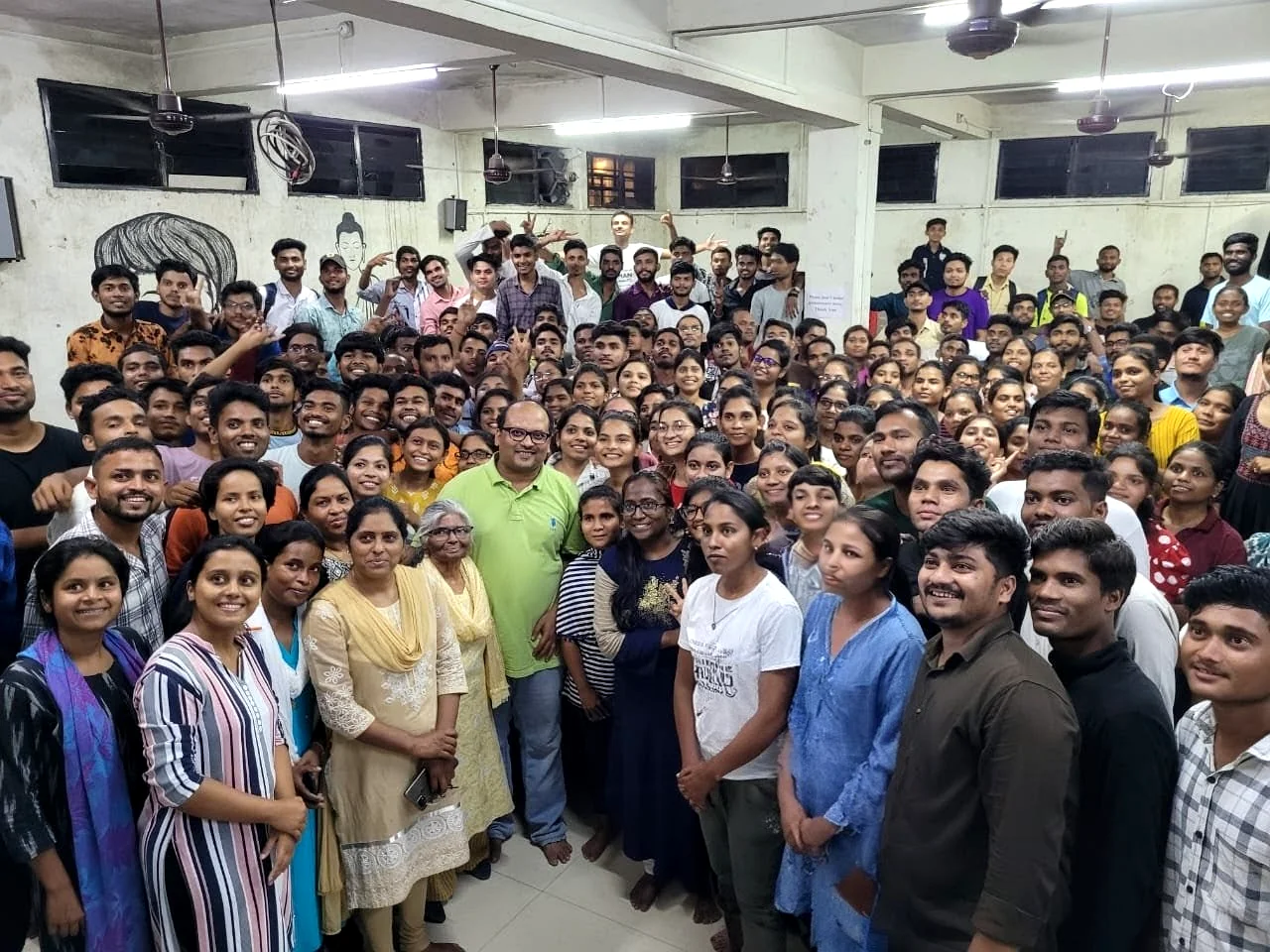
He brought young people from different parts of India into a common horizon of hope. For such students, the barriers are never only academic. They are financial, social, psychological, linguistic, cultural, and often deeply humiliating. To reach college, university, or professional formation, they must cross not one wall but many.
He created an environment where the marginalised youth could begin to believe that they were not alone. A student from a historically oppressed background often carries not just a school bag but centuries of exclusion. When such a student encounters a place of care, seriousness, and shared purpose, it can alter the whole architecture of the self.
✦
From Buddha Vihar to a 9-Acre Campus
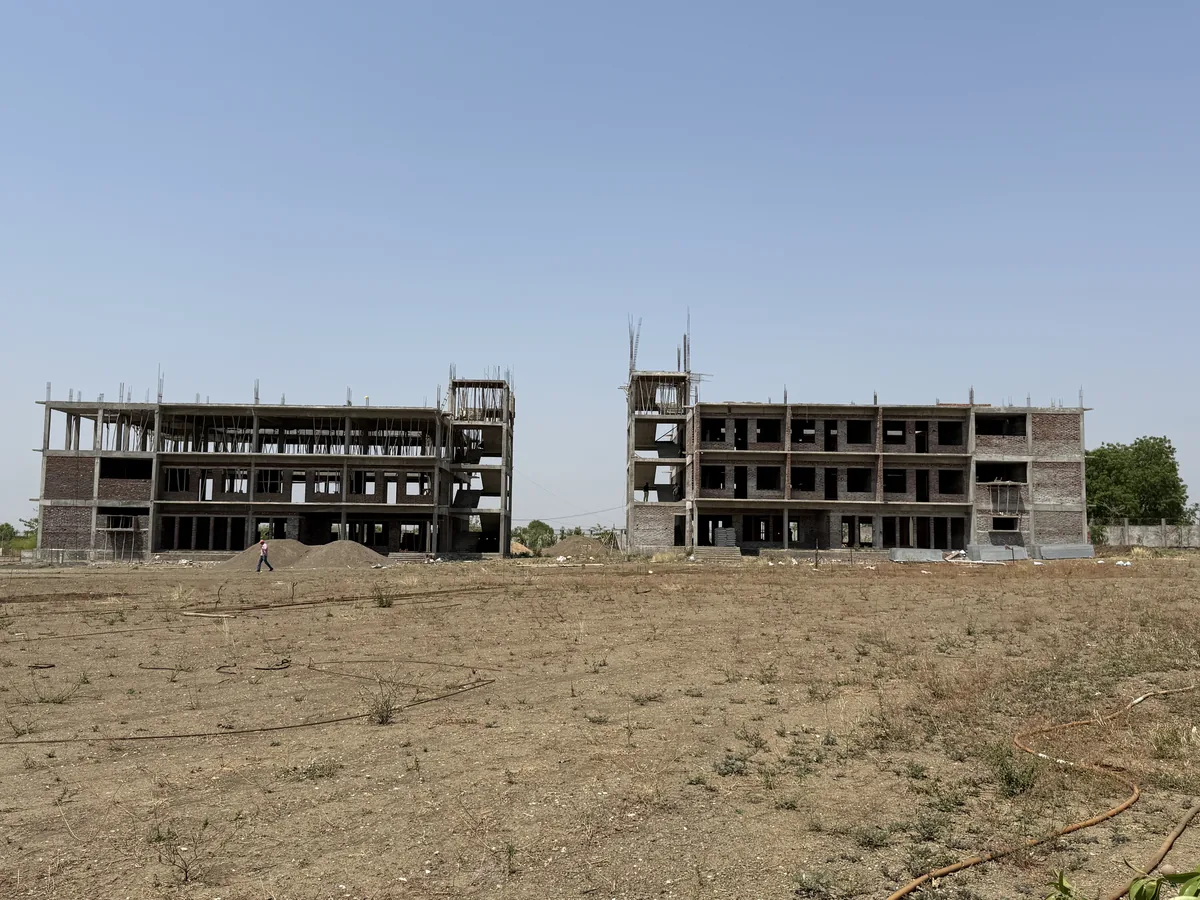
From that small beginning, something larger slowly emerged. Not overnight. Not magically. But through years of labour, credibility, sacrifice, and trust. What was once a modest centre of learning and moral energy has now grown into a bold educational vision: the construction of a sprawling campus on 9 acres of land.
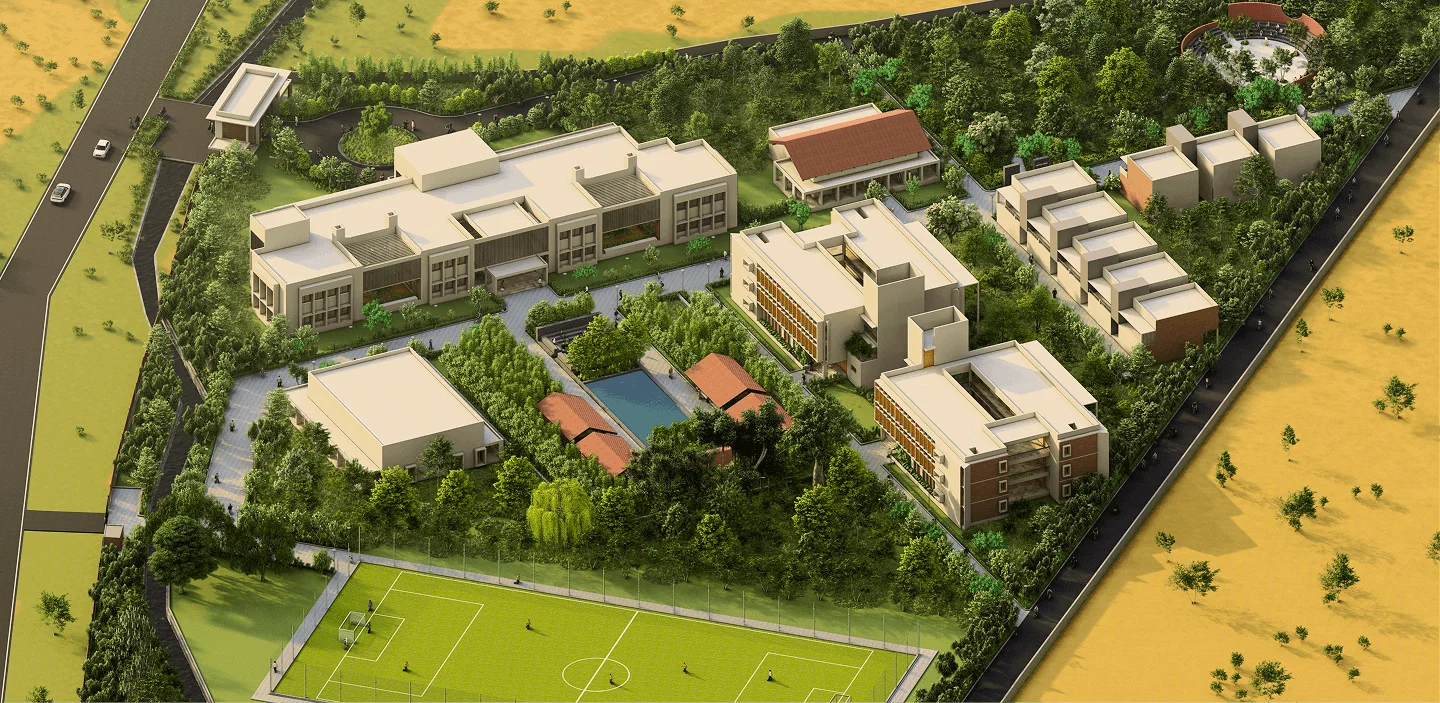
Nine acres is not just land. It is not a real-estate figure. It is an expansion of human possibility. It is the physical form of a promise made to the poor. It is space where those whom society expected to remain small can learn to think on a large scale. It is land on which the sons and daughters of the oppressed can walk with dignity.
✦
Beyond Infrastructure: A Living Idea
There is something profoundly moving about this transition. A small Buddha Vihar housed Nalanda Academy with all its simplicity, yet contained within it the dream of another Nalanda: not a reproduction of the ancient university in form, but a continuation of its spirit. A place where learning is honoured. A place where moral seriousness and intellectual striving meet. A place where education answers to suffering.
This is why Anoop Kumar’s work deserves to be told not as an organizational update, but as a human story.
✦
Choosing the Difficult Path
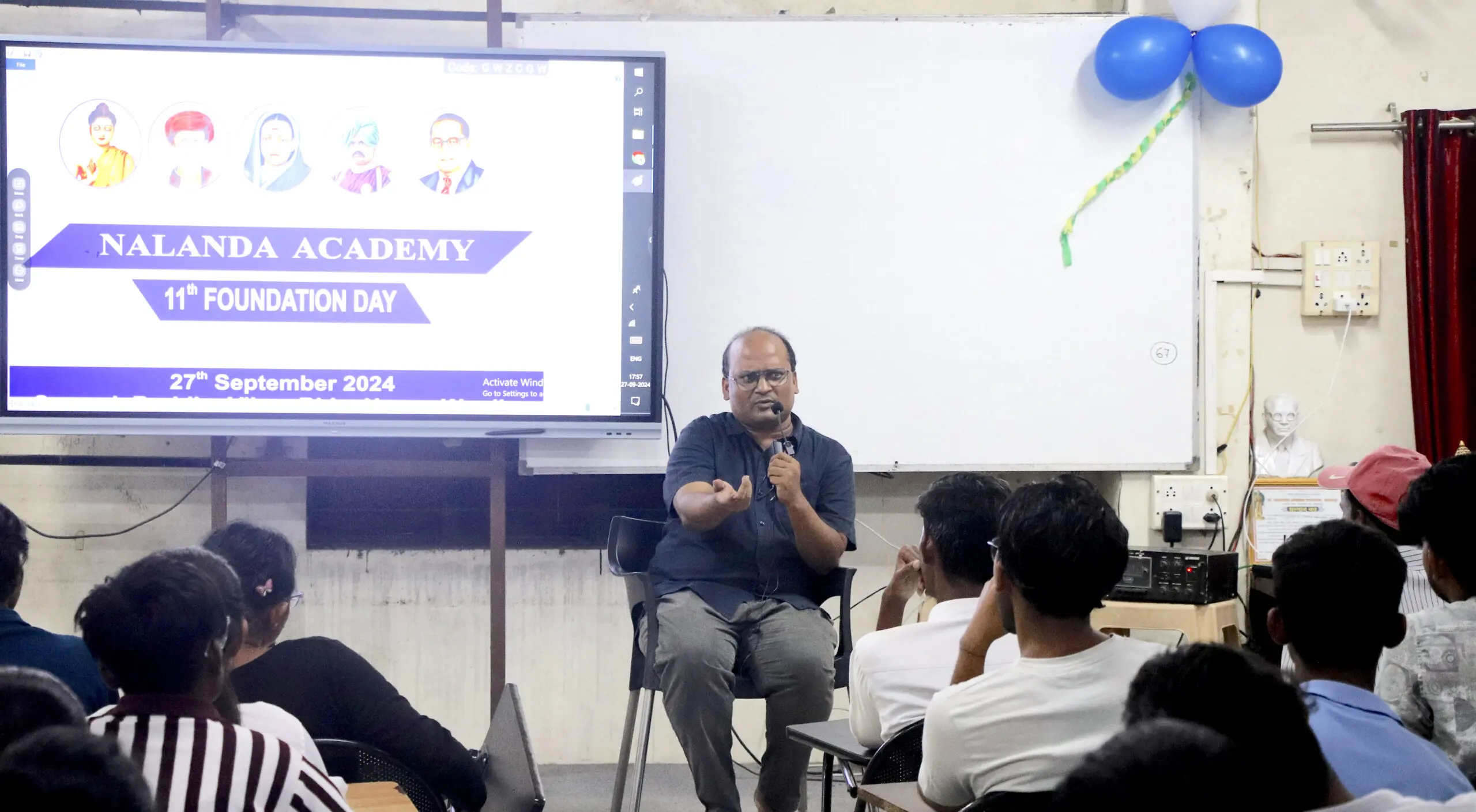
He could have chosen an easier life. He could have confined himself to private success, personal security, and limited obligation. Many do. The world even rewards it. But he chose the more difficult road: institution-building among the marginalised.
From across India, youth have come. Some with ambition, some with fear, some with nothing except the determination not to be defeated. They came carrying the hopes of parents who may never have seen a university. They came because somewhere, someone had built a door and kept it open.
That someone was Anoop Kumar.
The truest measure of such a life is not in speeches or ceremonial praise. It is in the changed destinies of students. It is in the first-generation learner who no longer feels inferior. It is in the young woman from a neglected background who dares to pursue higher studies. It is in the family that sees one child rise and begins to believe that the next generation need not live the same story of deprivation.
✦
A Campus Built on Commitment
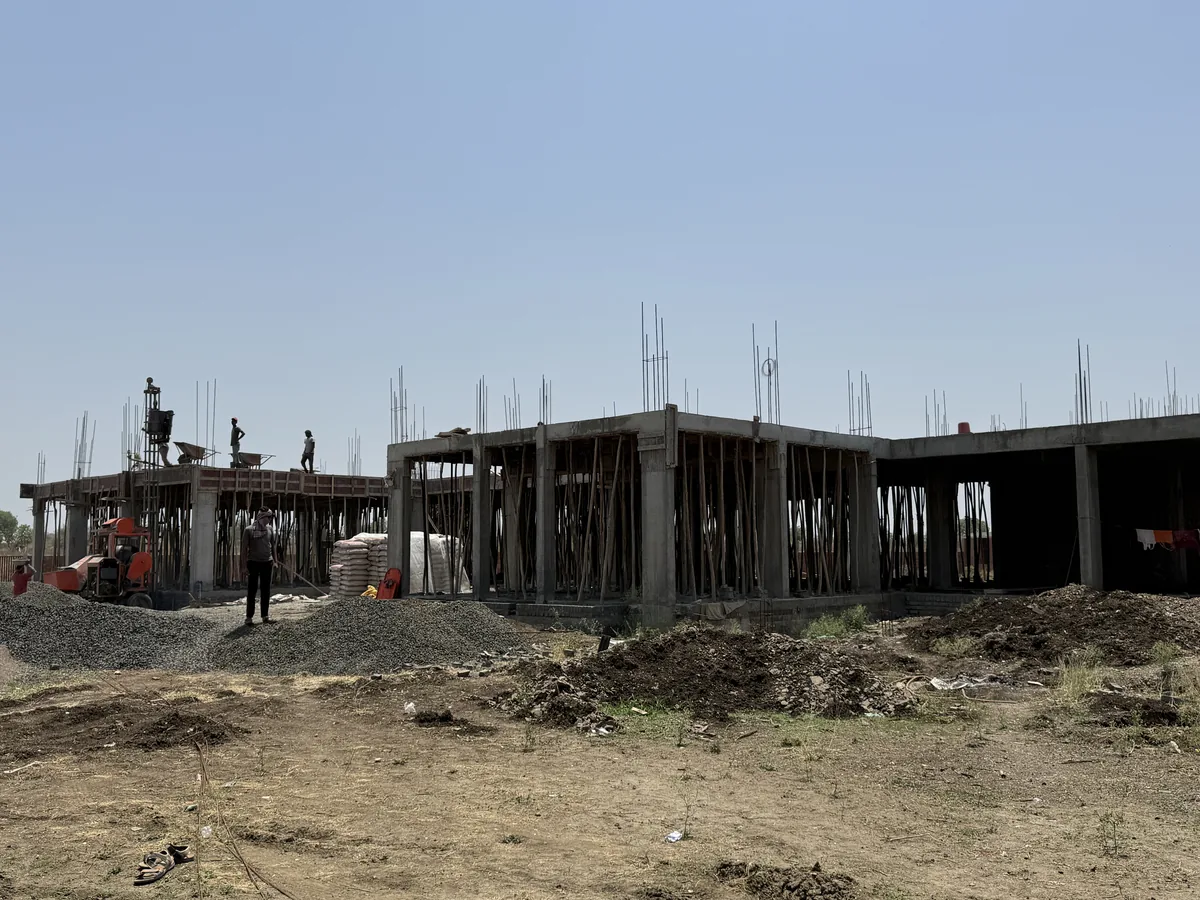
His work reminds us that campuses do not begin with cement. They begin with moral imagination. Before there are buildings, there is a vow. Before there are hostels and classrooms, there is the decision that the poor shall not remain intellectually dispossessed.
It is a story of fidelity — fidelity to the idea that education must reach those who need it most. Fidelity to the Buddha’s compassion and to the emancipatory mission of social justice. Fidelity to the belief that knowledge can heal humiliation and transform collective life.
When future generations walk across this campus, they will see years of sacrifice. They will see sleepless planning. They will see a modest Vihar that refused to remain modest in vision. They will see a friend of the marginalised who decided that even if the road was long, he would build.
And build he did.
Today, this 9-acre Nalanda Abhiyan campus stands not merely as a project under construction, but as a national hope. It says to marginalised youth from every corner of India: come, learn, rise, and rebuild yourselves. It says to history: exclusion will not have the last word.
✦
Why This Work Needs Support
But such dreams cannot survive on admiration alone. They need support. They need people who understand that educational justice is not an abstract slogan. It requires land, buildings, books, scholarships, hostels, furniture, digital access, teachers, electricity, meals, and patient long-term investment.
So I want to end with an appeal — not formal, not distant, but from the heart. If this story has moved you, please do not let it remain just a story. Become part of it. Every contribution matters. Every donation becomes part of a classroom, a hostel bed, a library shelf, a scholarship, a safe study space, a future.
Please give generously. Give not as charity, but as an act of justice. Give because the marginalised youth of India deserve institutions worthy of their intelligence. Give because Anoop Kumar has already done the hardest part — he has believed, struggled, persisted, and built the foundation. Now it is our turn.
When we support the education of the marginalised, we do not merely help individual students. We help repair history.